





The "Add, Don't Subtract" Strategy: A Kinder Way to Start the Year
If you've scrolled through social media in January, you've probably seen it all: Dry January, sugar-free challenges, elimination diets promising a "new you." And while there's nothing wrong with taking a break from certain foods or drinks, there's something powerful about flipping the script entirely.
What if instead of focusing on what you're cutting out, you focused on what you're adding in?
Why "Dry January" Works Better With "Fiber January"
Here's the thing about restriction-based goals: they can work, but they often leave us feeling deprived, counting down the days until we can "have our lives back." That's not sustainable, and honestly? It's not fun.
But when you pair something like Dry January with a positive addition (let's call it "Fiber January") something interesting happens. You're not just removing alcohol; you're actively nourishing your body with fiber-rich foods that support your gut, boost your energy, and might even reduce cravings naturally. You're building something good, not just taking something away.
It's a mindset shift that makes all the difference. Instead of white-knuckling through restriction, you're crowding out old habits with new, nourishing ones. And your gut microbiome? It's about to throw you a thank-you party.
The Magic Number: 30 Plants a Week
Your gut is home to trillions of microorganisms; bacteria, fungi, and other microbes that play a massive role in everything from digestion to mood to immunity. And these little guys thrive on diversity. Research suggests that eating 30 different plant foods per week is the sweet spot for supporting a healthy, diverse microbiome.
Thirty might sound like a lot, but here's the secret: it's easier than you think. A "plant food" includes:
- Fruits and vegetables (obviously)
- Whole grains like oats, quinoa, brown rice, and farro
- Legumes such as lentils, chickpeas, and black beans
- Nuts and seeds (hello, chia, flax, pumpkin, and sunflower seeds)
- Herbs and spices (yes, that sprinkle of cinnamon or handful of parsley counts!)
Suddenly, 30 doesn't seem so daunting, does it?
Feed Your Gut: The Power of Prebiotics
You've probably heard of probiotics, the live beneficial bacteria found in yogurt, kimchi, and kombucha. But prebiotics? They're the unsung heroes. Prebiotics are types of fiber that feed the good bacteria already living in your gut, helping them thrive and multiply.
Think of prebiotics as fertilizer for your internal garden. The best sources include:
- Garlic and onions (the flavor base of so many meals. Bonus!)
- Asparagus, leeks, and artichokes
- Bananas (especially slightly underripe ones)
- Oats and barley
- Apples and pears (keep that skin on)
- Chickpeas, lentils, and beans
- Flaxseeds and chia seeds
By including these foods regularly, you're not following a strict diet. You're simply feeding the microscopic allies that keep you feeling your best.
Sneak It In: Simple Ways to Add More Plants
The beauty of the "add, don't subtract" approach is that you don't have to overhaul your entire way of eating. Small, simple additions to your existing meals can make a big difference. Here are some easy wins:
At Breakfast:
- Stir a tablespoon of ground flaxseed or chia seeds into your oatmeal or smoothie
- Top your yogurt with a handful of berries, chopped nuts, and a sprinkle of cinnamon
- Add spinach or kale to your scrambled eggs (you won't even taste it, promise)
At Lunch:
- Toss chickpeas or white beans into your salad for extra fiber and protein
- Swap regular crackers for seed crackers or whole grain options
- Add sliced avocado, sprouts, or sauerkraut to your sandwich
At Dinner:
- Stir a handful of frozen peas or corn into pasta, rice dishes, or soups
- Add lentils to ground meat dishes (tacos, Bolognese, chili) to stretch the meal and boost fiber
- Roast a medley of colorful vegetables as a side. Variety is your friend.
Snacks & Extras:
- Keep a jar of mixed nuts and seeds on your counter for easy snacking
- Sprinkle hemp hearts or pumpkin seeds on literally anything (salads, soups, toast)
- Swap chips for veggie sticks with hummus or guacamole
The goal isn't perfection. It's progress. Each plant food you add is a win for your gut and your overall health.
Why This Approach Actually Works
Here's why the "add, don't subtract" strategy is so much more sustainable than typical January diets:
It's inclusive, not restrictive. You're not cutting out entire food groups or labeling foods as "good" or "bad." You're simply making room for more of the good stuff.
It builds positive habits. When you focus on adding nourishing foods, you naturally start to crave them more. Your taste buds adapt, your energy improves, and those old habits lose their grip.
It's flexible. Life happens. Some weeks you'll hit 30 plants easily; other weeks you might only get to 20. That's okay. There's no pass/fail here—just an ongoing invitation to nourish yourself.
It feels good. Restriction feels like punishment. Addition feels like self-care. And that difference in how you feel emotionally is everything when it comes to long-term change.
Your Invitation
So here's your challenge for this week (or this month, or this year): Instead of asking yourself, "What should I give up?" ask, "What can I add?"
Can you add one new vegetable to your grocery cart? Can you sprinkle seeds on your lunch? Can you swap white rice for farro just once this week?
Start small. Add one thing. Then add another. Watch how your body responds when you feed it abundance instead of scarcity.
Because the truth is, you don't need to subtract to thrive. You just need to add more of what makes you feel alive, energized, and genuinely well.
Here's to a year of more. More color, more flavor, more diversity, and more kindness to yourself.
Ready to Add Even More Gut Support?
While adding 30 plants a week is transformative, sometimes your gut needs extra reinforcement, especially if you're rebuilding after years of inconsistent fiber intake or digestive discomfort.
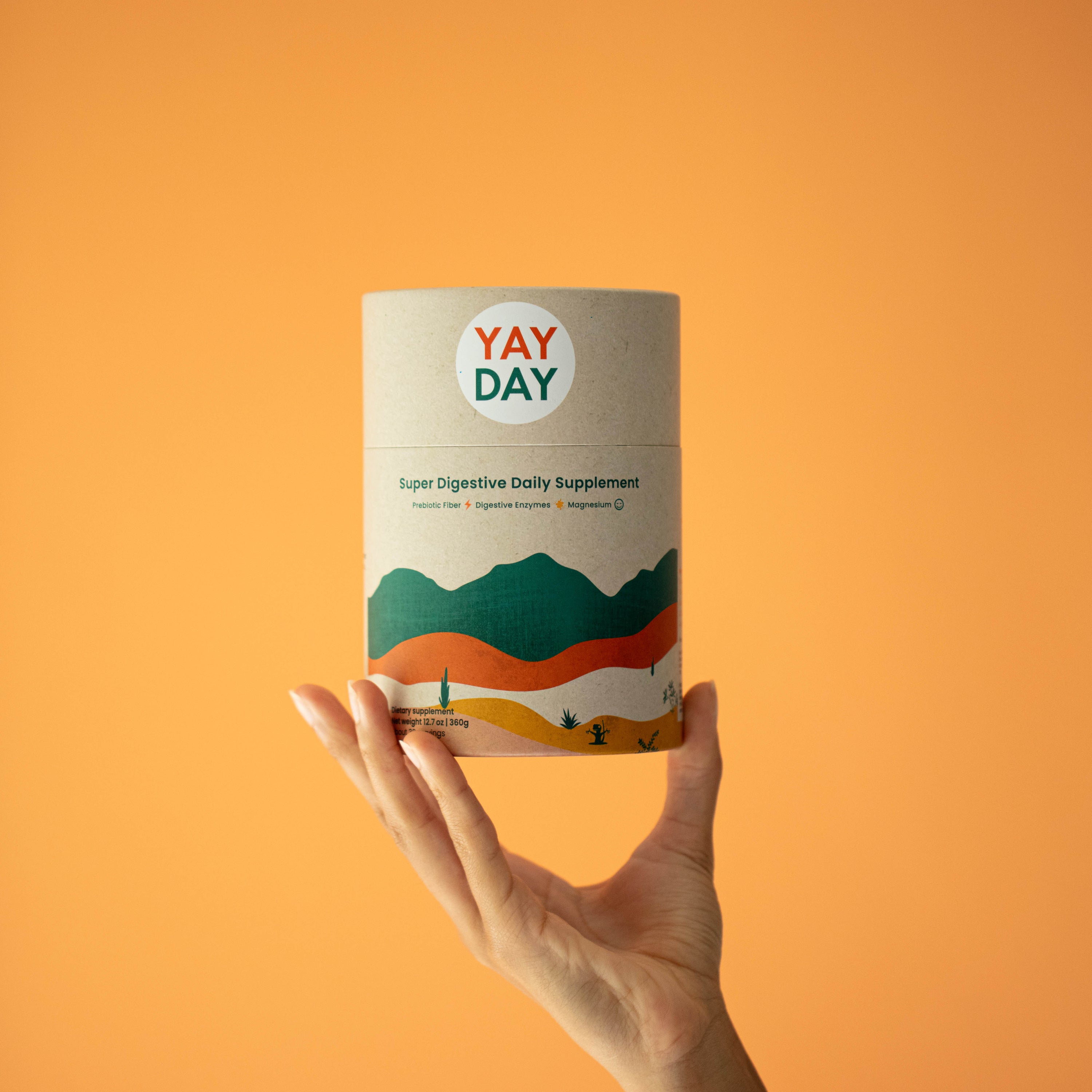
That's where the YayDay 3-in-1 Super Digestive Powder comes in. It's designed to work alongside your new "add, don't subtract" lifestyle with three powerful systems in one nightly scoop:
✨ Prebiotic Fiber Blend – Feeds your good bacteria with psyllium husk, inulin, oat fiber, and flaxseed powder
✨ Digestive Enzymes – Helps break down complex fibers so you can add more plants without the bloating
✨ Magnesium Glycinate – Supports overnight gut-brain communication and relaxation
One scoop before bed. Wake up lighter, more regular, and ready to keep adding all those colorful plant foods to your plate.
Share:
Sleep Better, Feel Better. It's That Simple.
We know that quality sleep and good gut health are the foundation of feeling your best. That's why YayDay was created to tackle both—overnight.
Dr. Roshini Raj, MD, explains that taking YayDay before bed allows the calming magnesium to help you drift off to sleep while the fiber blend gently gets to work. The result? You wake up feeling rested and your digestive system is primed for a comfortable and predictable morning.
- Calm Nights: Magnesium helps you unwind for deep, restorative sleep.
- Great Mornings: A gentle fiber blend works overnight for a smooth and satisfying start to your day.
Stop waiting for a good day to happen. Start one the night before with YayDay.
Blog posts
-

The 2026 Gut Health “Vibe Check”: 5 Questions to Ask Before February
Don’t let the “January slump” win. Take a quick vibe check to see how your gut is feeling and find the 60-second shortcut to a better February.
-

The "Add, Don't Subtract" Strategy: A Kinder Way to Start the Year
Forget restriction. This year, focus on what you're adding to your plate instead of what you're cutting out. Discover why "Fiber January" is the perfect companion to Dry January, how to eat 30 plants a week for optimal gut health, and simple ways to sneak more prebiotics into your meals. Sustainable, empowering, and actually enjoyable.
-

5 Gut Health Trends to Leave in 2025
Not all gut health advice is created equal. From expensive detox teas to aggressive cleanses, 2025 brought plenty of noise. Here are five trends worth ditching—and the science-backed swaps that actually work.


