





What Happens to Your Body When You Actually Get Enough Fiber
Most of us are running at about half the fiber we actually need. We average 15 grams a day. The recommendation is 25–38g. That's not a minor shortfall. That's our gut microbiome running on fumes, and most of us have been doing it for years. So what happens when you actually fix it? Here's the honest, week-by-week version.
The First Week: It Gets Worse Before It Gets Better
Bloating, gas, general digestive drama.
Yes, this is normal, and yes, it means something good is happening. When fiber-fermenting bacteria suddenly have more to work with, they multiply fast and produce gas as a byproduct.
Most people quit here. Don't.
The intensity of this phase is actually a useful signal: the worse it is, the more your gut needed the change. The key is increasing fiber gradually (add about 5g per week rather than overhauling overnight) and supporting your digestion with enzymes that help break down plant-based fiber before it causes discomfort.*
Week Two: Your Microbiome Starts Remodeling
By week two, the gas typically settles as your bacterial ecosystem stabilizes around its new fuel source. Beneficial strains like Bifidobacterium start to dominate. People often notice clearer skin and fewer energy dips, early signs of reduced systemic inflammation. This is your gut lining strengthening as butyrate production ramps up, and it shows.*
Week Three and Beyond: The Part People Don't Expect
Deeper sleep. Calmer mood. More stable energy through the afternoon.
These aren't coincidences. They're the gut-brain axis finally running cleanly. Your gut produces precursors to serotonin. When your microbiome is diverse and well-fed, that communication with your brain runs smoother. Most people describe the shift not as feeling amazing, but as not feeling bad in ways they'd just accepted as normal.*
Where to Start (Without Turning Meals Into Math)
Swap white rice or pasta for lentils, quinoa, or a whole grain version
- Add chia seeds and berries to your morning oats. That's 8–10g before 9am.
- Throw chickpeas or black beans into whatever you're already cooking.
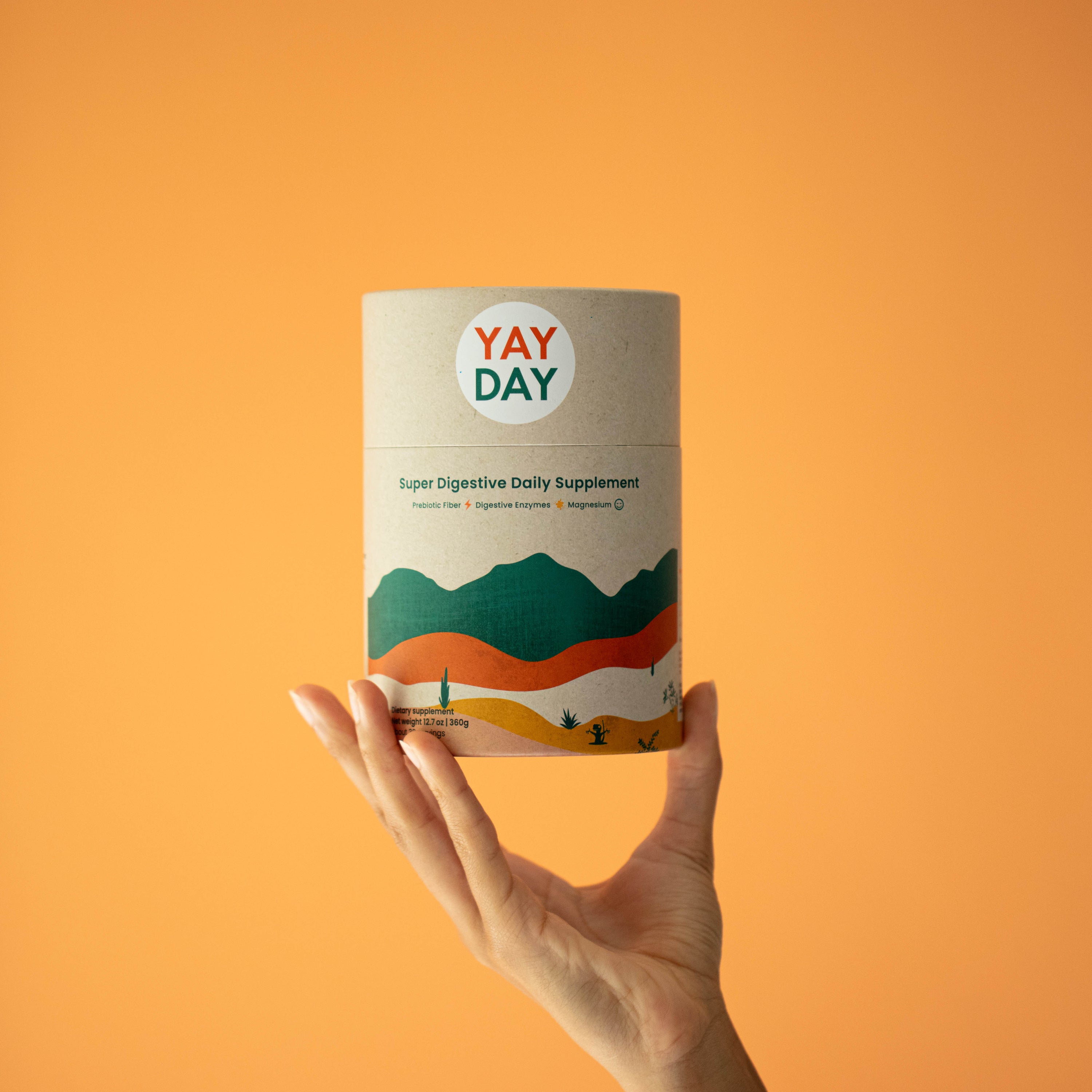
- End the day with YayDay. It has prebiotic fiber with a hemicellulase enzyme complex, designed to support comfortable digestion overnight.*
Consistent beats dramatic every time. A month of this, and the gut you have on the other side is meaningfully different from the one you started with.
Ready to actually feel the difference?
YayDay's prebiotic fiber and enzyme blend works while you sleep, so you wake up feeling it. Give it a month.*
*These statements have not been evaluated by the Food and Drug Administration. This product is not intended to diagnose, treat, cure, or prevent any disease. Individual results may vary. This article is for educational purposes only and is not a substitute for medical advice. Consult your healthcare provider before significantly changing your diet or supplement routine.
Share:
Sleep Better, Feel Better. It's That Simple.
We know that quality sleep and good gut health are the foundation of feeling your best. That's why YayDay was created to tackle both—overnight.
Dr. Roshini Raj, MD, explains that taking YayDay before bed allows the calming magnesium to help you drift off to sleep while the fiber blend gently gets to work. The result? You wake up feeling rested and your digestive system is primed for a comfortable and predictable morning.
- Calm Nights: Magnesium helps you unwind for deep, restorative sleep.
- Great Mornings: A gentle fiber blend works overnight for a smooth and satisfying start to your day.
Stop waiting for a good day to happen. Start one the night before with YayDay.
Blog posts
-

What Happens to Your Body When You Actually Get Enough Fiber
Most people are getting half the fiber they need. Here's what changes — week by week — when you close that gap.
-

Fiber Maxing: The Gut Health Trend That's Finally Getting It Right
Fiber is having its moment. Here's what the trend actually gets right, and how to do it without the bloat.
-

Your Gut's Perfect Match: How to Know If Your Microbiome Is 'The One'
New research confirms what your gut has been trying to tell you all along: there's no such thing as a universal 'healthy' microbiome. Yours is completely one of a kind – and it's time to treat it that way. Take our Gut Personality Quiz to find out your gut's attachment style, and discover the three foundations every gut actually needs.
Read the article + take the quiz →


