





Sugar + Your Gut: What You Should Know
Let’s talk about sugar and the ecosystem living inside your gut. Yep. Your gut has an ecosystem. The trillions of microbes buzzing around in there can help keep you healthy, or, if things go off-kilter, they can add to inflammation, digestive issues, and even mood swings. And is turns out, sugar is one of the things that can throw your microbiome into chaos.
What the research shows
-
When people eat a lot of added sugars (the kind added during processing or cooking), their gut’s microbial diversity often goes down. In other words. the variety of helpful bacteria shrinks.
-
A less diverse gut can mean a weaker gut barrier, which makes it easier for unwanted particles to sneak through and trigger inflammation.
-
One small human study found that eating a lot of fructose for just two weeks didn’t cause major changes. That means it’s not one dessert that derails your gut. It’s habits over time.
-
The takeaway: it’s the regular high sugar intake that gradually shifts your gut’s balance, not the occasional cookie.
Why fiber matters
When it comes to microbiome health, your gut has allies. When you eat fiber-rich foods (think vegetables, fruit, beans, and whole grains), you’re feeding the good bacteria. Those bacteria turn fiber into short-chain fatty acids, compounds that keep your gut lining strong and help lower inflammation.
When sugar takes the spotlight and fiber steps off stage, the good bacteria don’t get the food they need to thrive. Over time, that can lead to a less resilient gut ecosystem.
Your gut-health playbook
Here’s how to keep your microbes happy without swearing off sweetness:
-
Choose whole fruit instead of candy or sweet snacks. The fiber slows the sugar spike.
-
Pair dessert with protein or fiber (like dark chocolate and nuts).
-
Prefer sweets earlier in the day, when your body handles sugar better.
-
Watch out for liquid sugars (sodas, sweetened coffees). They sneak in fast.
-
Don’t rely on “diet” sweeteners as a free pass. Research on their gut effects is still mixed.
-
Focus on patterns, not perfection. Your microbes care about what you do most days, not what you do once in a while.
The bottom line
You don’t need to cut sugar out completely to have a healthy gut. It’s about balance, not extremes. Focus on what you do most days: add fiber, stay hydrated, and keep sweets in check. Your microbes will handle the rest.
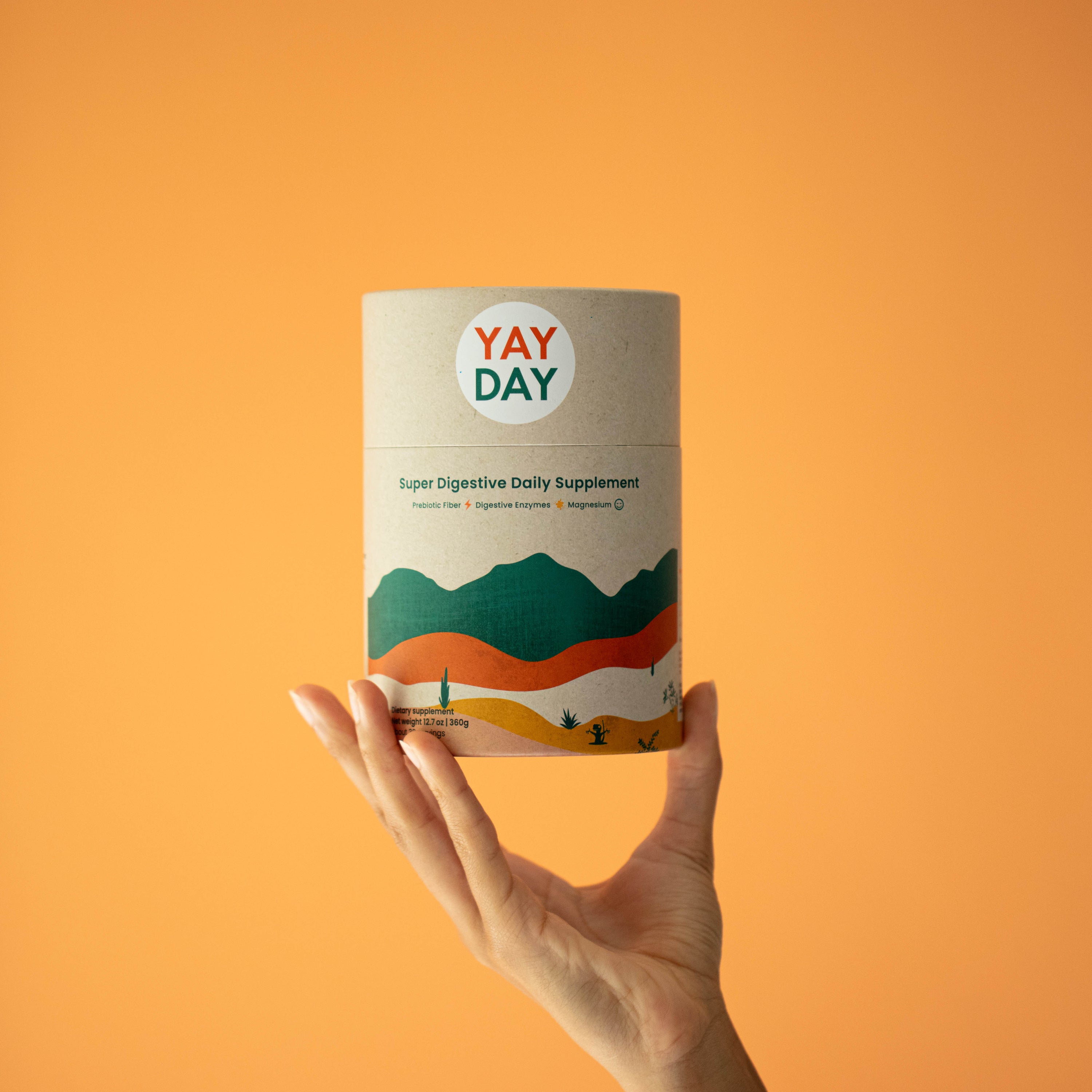
YayDay makes getting the right blend of fibers easier, helping you build gut-friendly habits that stick.
Share:
Sleep Better, Feel Better. It's That Simple.
We know that quality sleep and good gut health are the foundation of feeling your best. That's why YayDay was created to tackle both—overnight.
Dr. Roshini Raj, MD, explains that taking YayDay before bed allows the calming magnesium to help you drift off to sleep while the fiber blend gently gets to work. The result? You wake up feeling rested and your digestive system is primed for a comfortable and predictable morning.
- Calm Nights: Magnesium helps you unwind for deep, restorative sleep.
- Great Mornings: A gentle fiber blend works overnight for a smooth and satisfying start to your day.
Stop waiting for a good day to happen. Start one the night before with YayDay.
Blog posts
-

Feeling It After the Long Weekend? Here's How to Get Your Gut Back on Track
If your stomach is staging a quiet protest this morning, you're not alone. Three days of grilling and drinking will do that. The good news: your gut recovers faster than the wellness industry wants you to believe, and seven small choices over the next few days will get you there.
-

Sunshine, Vitamin D, and Your Gut: The Science You Didn't Know You Needed.
Your skin glows in summer. Your gut wants credit.
Turns out sunlight does more than lift your mood. There's genuine science linking UVB light to measurable changes in your gut microbiome. We broke down what the research actually says, what Vitamin D does for your gut lining, and why going outside might be the most underrated thing on your gut health to-do list.
-

Your Gut and Your Brain Are in a Relationship. It's Complicated.
Before that big presentation, did your stomach hurt? Before an important event, did you get diarrhea? Did you lose your appetite completely when something went wrong, or eat the entire contents of your kitchen when you were anxious? That is...


