





Feeling It After the Long Weekend? Here's How to Get Your Gut Back on Track
If you spent Memorial Day weekend doing what most of us did (standing over a grill, splitting a pitcher with friends, working your way through a second slice of pie) your gut is probably letting you know about it this morning. Bloating, sluggish digestion, weird cravings, a stomach that feels a little off. That's not a personal failing. That's a microbiome that just spent three days metabolizing burgers, beer, and pasta salad instead of its usual fare.
The good news: your gut is remarkably forgiving. A few intentional days of eating and living a little differently is usually all it takes to feel like yourself again. No cleanse, no detox tea, no thirty-dollar powder required.
Start with water, not juice
Before anything else, rehydrate. Alcohol, salt-heavy cookout food, and time in the sun all pull water out of you, and a dehydrated gut moves slowly and uncomfortably. Plain water is the workhorse here. If you want something with a little more, try water with lemon and a pinch of salt, or unsweetened herbal tea. Skip the cold-pressed juice cleanses. They're high in sugar and low in the fiber your gut actually needs right now.
Bring fiber back in, gently
Your microbiome runs on fiber, and a long weekend of refined carbs and processed meats likely starved the bacteria you want to keep happy. Reintroduce fiber, but don't go from zero to a giant kale salad. That's a recipe for more bloating, not less. Start with cooked vegetables, oats, berries, chia seeds, and beans in modest amounts. Aim for variety across the day rather than volume at one meal.
A useful target: try to get five different plants on your plate today. Different fibers feed different bacteria, and diversity is what a resilient gut looks like.
Add something fermented
Fermented foods deliver live bacteria that can help nudge your gut back toward balance. You don't need to buy expensive supplements. A spoonful of plain yogurt, a side of kimchi or sauerkraut, a glass of kefir, or a cup of miso soup all count. One serving a day for the next few days is plenty.
If fermented foods aren't part of your usual routine, start small. A tablespoon of sauerkraut with lunch is a better starting point than a whole jar.
Give the alcohol a few days off
Alcohol is rough on the gut lining and disrupts the microbiome, and the effects compound when you drink several days in a row. A short break (three or four days) lets the lining repair and gives your liver a chance to catch up. If a full pause feels like too much, at least skip it tonight and tomorrow.
Eat at regular times, and stop before you're full
Your digestive system runs on a rhythm, and grazing from noon until midnight throws it off. Try to eat at consistent times today and tomorrow, with real gaps between meals so your gut can actually finish one job before starting the next. The cleanup crew that sweeps your intestines between meals only kicks in when you're not eating, and it does a lot of the work of making you feel less bloated.
Move, even a little
A twenty-minute walk after a meal does more for digestion than any supplement on the shelf. Movement stimulates the muscles that push food through your intestines, and gentle exercise helps reduce the bloating that comes from gas getting stuck. You don't need a workout. A walk around the block counts.
Sleep is part of digestion
This one gets overlooked. Your gut microbiome runs on a circadian rhythm too, and a weekend of late nights confuses it as much as it confuses you. Getting back to a normal bedtime tonight will do more for tomorrow's digestion than any specific food choice. Aim for seven to eight hours, and try to wind down without a screen in front of you.
Be skeptical of the dramatic fix
You'll see a lot of "post-holiday detox" content this week promising to flush, reset, or cleanse your system. Your liver and kidneys already do that, for free, around the clock. What actually helps is the unglamorous list above: water, fiber, fermented food, a break from alcohol, regular meals, movement, and sleep. Give it three or four days of that and you'll feel the difference.
The weekend was worth it. Now let your gut catch up.
Share:
Sleep Better, Feel Better. It's That Simple.
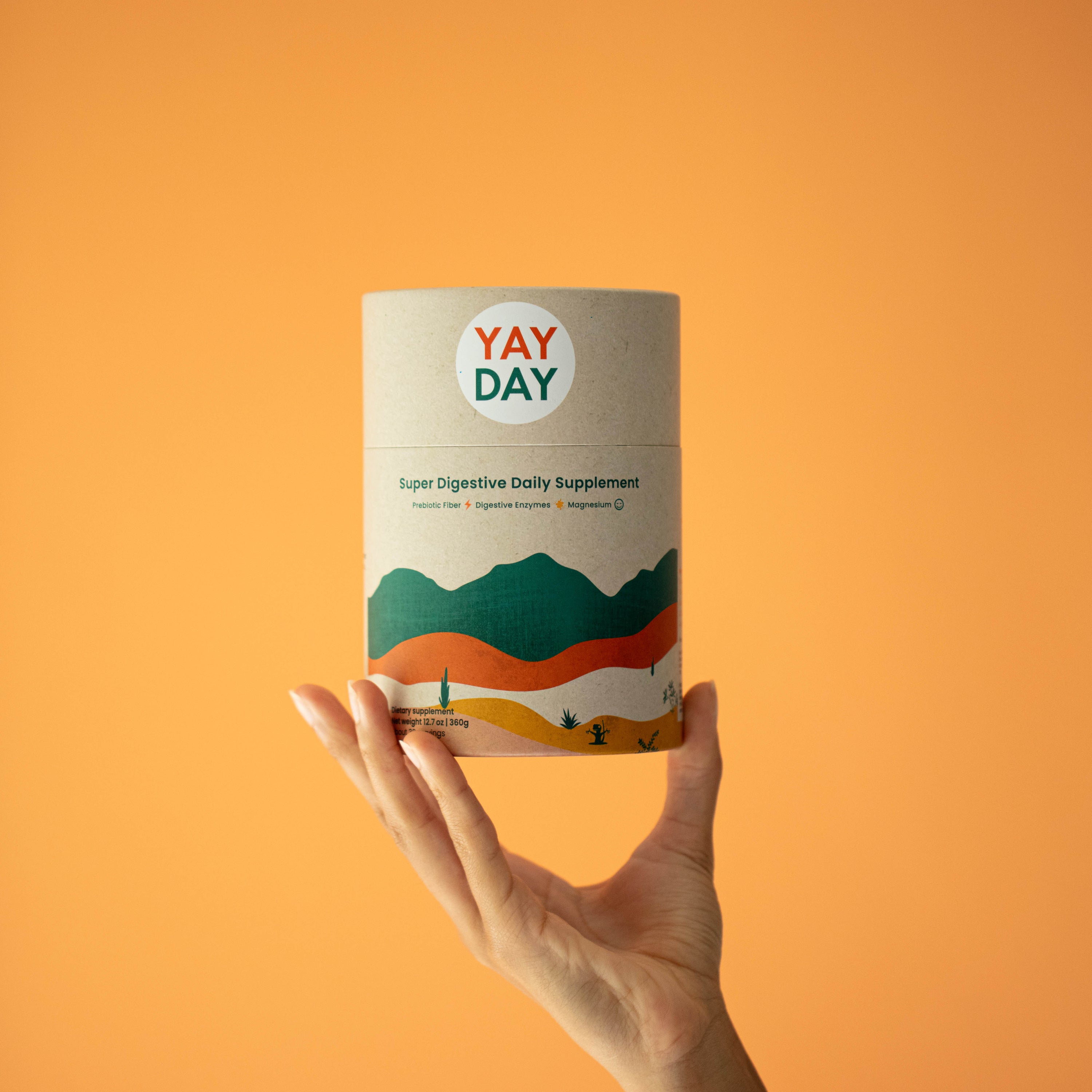
We know that quality sleep and good gut health are the foundation of feeling your best. That's why YayDay was created to tackle both—overnight.
Dr. Roshini Raj, MD, explains that taking YayDay before bed allows the calming magnesium to help you drift off to sleep while the fiber blend gently gets to work. The result? You wake up feeling rested and your digestive system is primed for a comfortable and predictable morning.
- Calm Nights: Magnesium helps you unwind for deep, restorative sleep.
- Great Mornings: A gentle fiber blend works overnight for a smooth and satisfying start to your day.
Stop waiting for a good day to happen. Start one the night before with YayDay.
Blog posts
-

Feeling It After the Long Weekend? Here's How to Get Your Gut Back on Track
If your stomach is staging a quiet protest this morning, you're not alone. Three days of grilling and drinking will do that. The good news: your gut recovers faster than the wellness industry wants you to believe, and seven small choices over the next few days will get you there.
-

Sunshine, Vitamin D, and Your Gut: The Science You Didn't Know You Needed.
Your skin glows in summer. Your gut wants credit.
Turns out sunlight does more than lift your mood. There's genuine science linking UVB light to measurable changes in your gut microbiome. We broke down what the research actually says, what Vitamin D does for your gut lining, and why going outside might be the most underrated thing on your gut health to-do list.
-

Your Gut and Your Brain Are in a Relationship. It's Complicated.
Before that big presentation, did your stomach hurt? Before an important event, did you get diarrhea? Did you lose your appetite completely when something went wrong, or eat the entire contents of your kitchen when you were anxious? That is...


